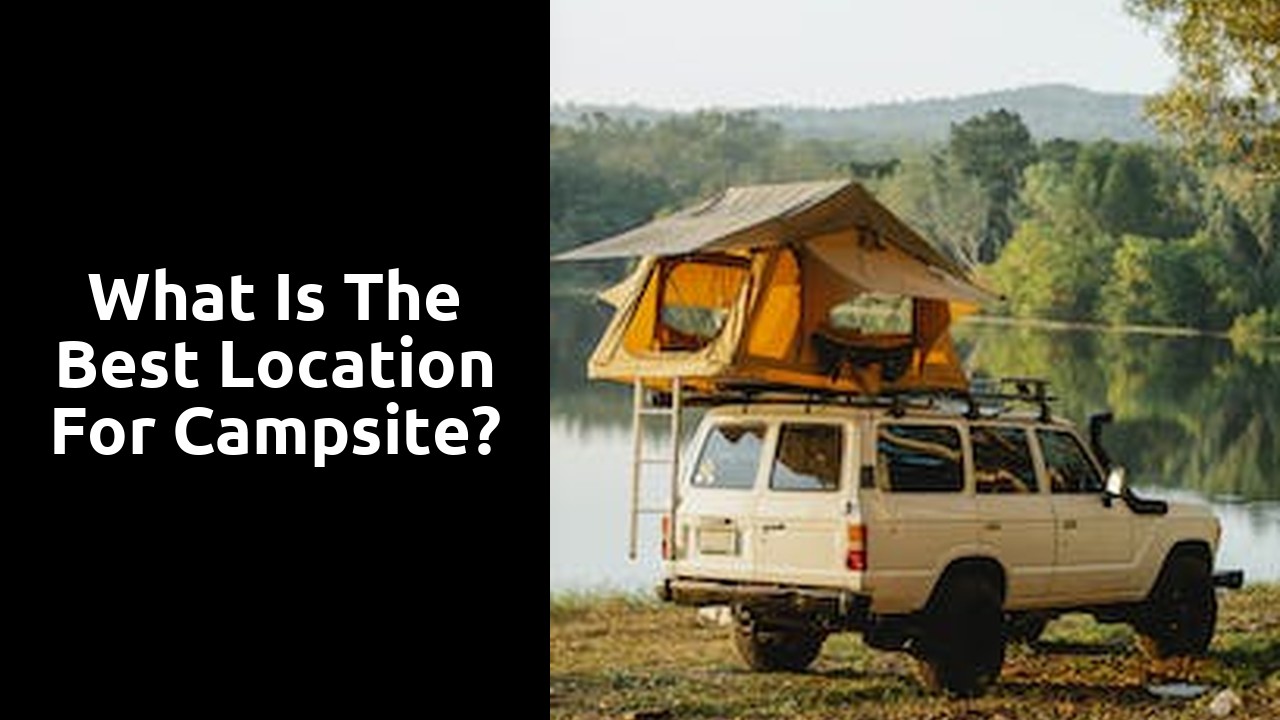
What is the best location for campsite?
Choosing the Perfect Spot for Your Campsite
Choosing the perfect spot for your campsite is essential to ensuring a successful and enjoyable outdoor adventure. There are several factors to consider when picking a campsite location that will help enhance your overall experience.
First and foremost, it is important to evaluate the terrain of the area. Look for flat or gently sloping ground that will provide a comfortable and level base for your tent. Avoid areas with uneven ground or rocks that could disrupt your sleep or cause discomfort. Additionally, consider the accessibility of the location. If you have a lot of gear to carry or if you are camping with young children or elderly individuals, it is recommended to choose a campsite that is easily accessible and not too far from amenities such as water sources or restrooms.
Factors to Consider When Picking a Campsite Location
When it comes to picking the perfect campsite location, there are several factors to consider. The first and most important factor is safety. You want to choose a campsite that is free from potential hazards such as steep cliffs, falling trees, or areas prone to flash floods. It is also important to consider the proximity to emergency services and access to communication in case of any emergencies.
Another important factor to consider is the terrain of the campsite. Look for a flat and level area where you can pitch your tent comfortably. Avoid areas with rocks, roots, or uneven ground, as these can make sleeping and moving around the campsite difficult. Additionally, consider the vegetation in the area. Look for a campsite with ample shade during hot summer days and protection from strong winds.
Exploring Ideal Locations for Your Camping Adventure
One of the most exciting aspects of planning a camping adventure is exploring the ideal locations for your trip. The perfect campsite can make all the difference in your outdoor experience, so it's important to consider a few key factors when choosing a location. Firstly, you'll want to consider the type of scenery you prefer. Are you drawn to the tranquility of a forest setting, or do you thrive in the rugged beauty of mountainous landscapes? Understanding your personal preferences will help you narrow down the options and find a location that aligns with your vision.
In addition to scenery, it's crucial to consider the amenities available at potential campsites. Some campgrounds offer basic facilities such as restrooms and picnic areas, while others may provide more luxurious amenities like showers, electricity, and even Wi-Fi. Think about the level of comfort and convenience you desire during your camping adventure and choose a location accordingly. Finally, take into account the accessibility of the campsite. Consider how far you're willing to travel and whether the site is easily accessible by car or hiking trail. Keep in mind that remote locations may offer a greater sense of seclusion, but could also mean limited resources and potential challenges in case of emergencies. Balancing these factors will ultimately help you find the ideal location for your camping adventure.
The Art of Selecting the Ultimate Campsite
Finding the perfect campsite is an art that requires careful consideration and planning. When selecting the ultimate campsite for your outdoor adventure, there are a few key factors to keep in mind. First and foremost, consider the accessibility of the site. Is it easily reachable by car or do you need to hike in? This will affect how much gear and supplies you can bring with you. Additionally, think about the terrain of the campsite. Is it flat and well-drained, or does it have steep slopes? A level site will make setting up your tent and other camping equipment much easier. Finally, take into account the surrounding scenery and natural features. Do you prefer a campsite with a picturesque view of a lake or mountains, or do you prefer the seclusion of a wooded area? And don't forget about safety – choose a campsite that is away from any hazards such as dead trees, potential flood zones, or steep cliffs. By considering these factors, you'll be well on your way to finding the ultimate campsite for your outdoor getaway.
Unveiling the Secret to Finding the Ideal Campsite
Finding the perfect campsite can be a challenging task for many outdoor enthusiasts. However, there is a secret to uncovering the ideal location for your camping adventure. The key lies in considering a variety of factors that will ensure a comfortable and enjoyable experience in the great outdoors.
First and foremost, it is crucial to assess the topography of the area. Look for a campsite that is relatively flat and free from hazards such as large rocks or tree roots. This will not only provide a level ground for pitching your tent but also prevent any potential accidents or discomfort during your stay. Additionally, consider the surroundings of the campsite. Are there scenic views, nearby trails, or bodies of water that can add to the overall experience? Choosing a campsite with beautiful natural features can enhance your outdoor getaway and create lasting memories.
Discovering the Best Location for Your Outdoor Getaway
Discovering the best location for your outdoor getaway is an exciting process that can greatly enhance your camping experience. One key factor to consider is the proximity to natural attractions and activities. Are you looking to hike through picturesque trails or go fishing in serene lakes? Assess what activities you want to engage in during your stay and choose a campsite that offers easy access to these attractions. By doing so, you can maximize your time spent outdoors and immerse yourself in the beauty of nature.
Another important aspect to consider when selecting your campsite is the availability of amenities. Are you someone who prefers rustic camping or do you enjoy the comforts of modern facilities? Evaluate your needs and choose a campsite that aligns with your preferences. Some campsites offer amenities such as clean restrooms, hot showers, and electrical hookups, while others offer a more basic camping experience. Take into account what level of comfort you desire, and select a campsite that provides the necessary amenities to make your outdoor getaway enjoyable and convenient.
FAQS
What factors should I consider when choosing a campsite location?
When picking a campsite location, consider factors such as terrain, proximity to water sources, availability of shade, level ground, and potential hazards.
How important is the terrain when selecting a campsite location?
The terrain is essential when choosing a campsite. Look for flat or gently sloping ground to ensure a comfortable sleeping area and easy setup for tents.
Why is proximity to water sources important for a campsite?
Proximity to water sources is crucial for easy access to drinking water, cooking, and cleaning. Look for campsites near rivers, lakes, or streams.
Why should I consider the availability of shade when picking a campsite location?
Having shade is important for protection against the sun's heat and harmful rays. Look for campsites with trees or natural formations that can provide shade during the day.
What hazards should I be aware of when selecting a campsite location?
Be cautious of potential hazards such as dead trees, unstable slopes, animal trails, and low-lying areas prone to flooding. Choose a campsite that minimizes these risks.
Are there any other factors to consider when choosing a campsite location?
Other factors to consider include privacy, distance from other campers, access to hiking trails or other recreational activities, and any specific requirements or regulations of the area.
How can I find the ultimate campsite location?
Finding the ultimate campsite requires researching different areas, reading reviews, and considering your specific preferences. It is also helpful to talk to experienced campers or seek recommendations from local outdoors organizations.
Can you suggest some ideal locations for camping adventures?
Ideal locations for camping adventures can vary depending on personal preferences. However, popular choices often include national parks, state parks, forests, and designated campgrounds that offer amenities and beautiful natural surroundings.
How do I ensure a successful outdoor getaway by choosing the best campsite location?
To ensure a successful outdoor getaway, select a campsite location that aligns with your planned activities, offers necessary facilities, and provides a comfortable and safe environment for you and your group.
Related Links
Which places are best for camping?How to Choose the Right Paver Contractor for Your Outdoor Project